Codex
A coding agent with AGENTS.md, config.toml, subagents, hooks, and plugin projection
- codex
- harness
- setup
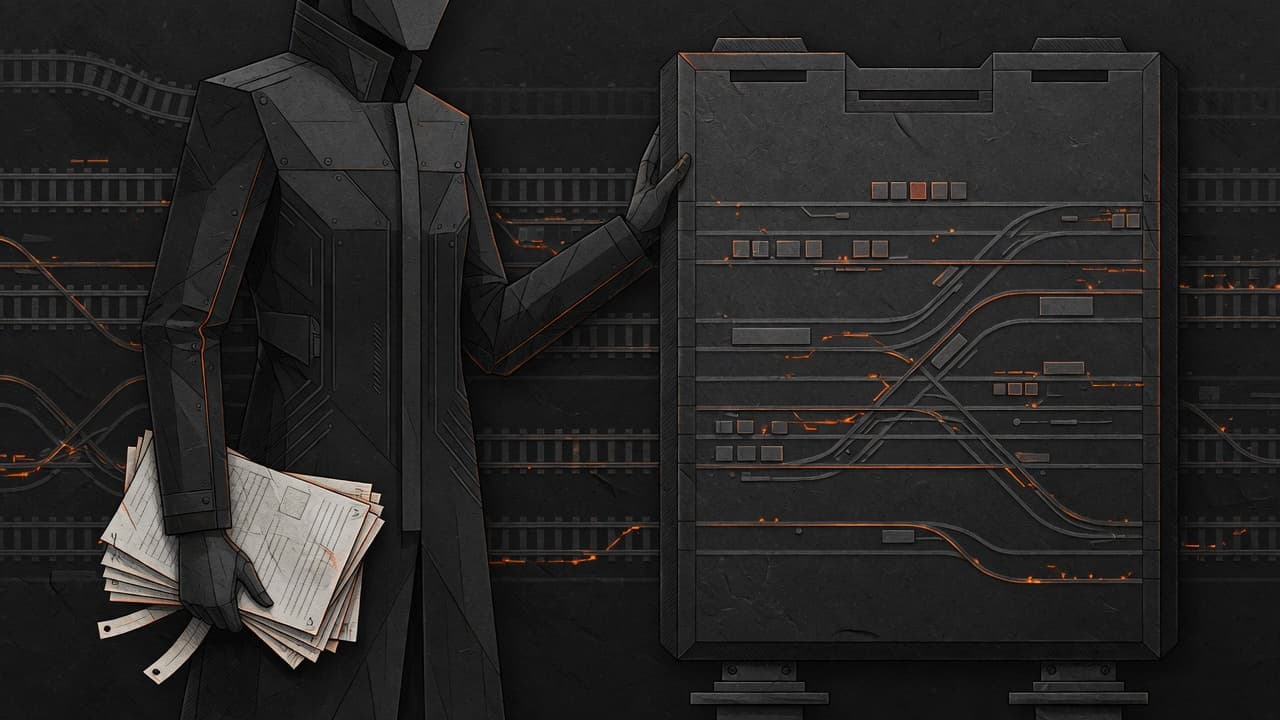
Codex is OpenAI's local coding agent for terminal and project workflows. Its primary contract file is AGENTS.md, which supplies project rules. The rest of the setup lives in config.toml, prompts, subagents, and hooks; a plugin is packaging, but it does not replace Codex's native rules.
Native surface
| Area | What Codex reads | ai-stp projection |
|---|---|---|
| User | $CODEX_HOME/AGENTS.md, prompts/, config.toml, agents/*.toml | Global instruction, command, setting, MCP, and agent |
| Project | .codex/config.toml, .codex/agents/*.toml, .codex/hooks.json | Project setting, agent, and hook |
| Plugin | .codex-plugin/plugin.json and declared package resources | Plugin projection without inventing an agents/ subtree |
| Shared skills | .agents/skills/ | Portable skills shared by multiple harnesses |
Codex subagents use the native agents/<name>.toml format with role fields. Do not move a Markdown file there just because another harness stores agents as .md. MCP is likewise recognized from the mcp_servers key inside config.toml, not merely from the file's presence.
How the setup is assembled
ai-stpfindsAGENTS.md, settings, commands, subagents, and declared MCP only in native locations.- The passport records harness, scope, component kind, version, and source while excluding auth files, cache, and session history.
- The setup assembler checks that the selected components are compatible with Codex and the chosen project scope.
- The public
codex-setup-systemreceives the exact plan and applies it to$CODEX_HOMEor the project target. The web catalog never writes into a working Codex directly.
This keeps AGENTS.md as always-on instruction, a skill as portable workflow, a subagent as a named role, a hook as an event reaction, and MCP as external-service configuration.
When to choose Codex
Codex fits repositories where rules should live beside code in AGENTS.md, while parameters and integrations stay in config.toml. Use shared .agents/skills/ for portable workflows and the native TOML subagent format for specialized roles.
Links
- Official Codex documentation
- AGENTS.md guide
- Codex CLI source
- Public NDDev OpenNetwork codex-setup-system
Trust boundary
Codex support in the catalog means support for declared surfaces, not automatic approval of any AGENTS.md, plugin, or command. Review contents, exact version, permissions, and rollback.
Observe → passport → graph check → exact plan → provider write. This prevents project rules from being mixed accidentally with Codex state.